Application engineering

Custom Applications Engineered, Not Assembled

We decide the architecture before we write code and choose the stack for a ten-year life, not a launch demo. Backend, frontend and mobile come from one team working to one design, with the integration to Odoo (or whatever runs your business) planned in from the first week rather than bolted on at the end.

  • TypeScript
  • Next.js
  • Node.js
  • Python
  • PostgreSQL
  • React Native
  • Flutter
  • GraphQL
  • Docker

Reviewed by Atul Makwana, CEO & Co-Founder, Heliconia Solutions · Odoo 16 Functional Certification · Odoo Partner · Updated

Proof

Full-stack: web · mobile · backend · APIsArchitecture-first deliveryReal-time, search and media servicesSystems integrated with OdooMulti-year engagements

Clients

Businesses that run on what we built

  • Freiburger Bund
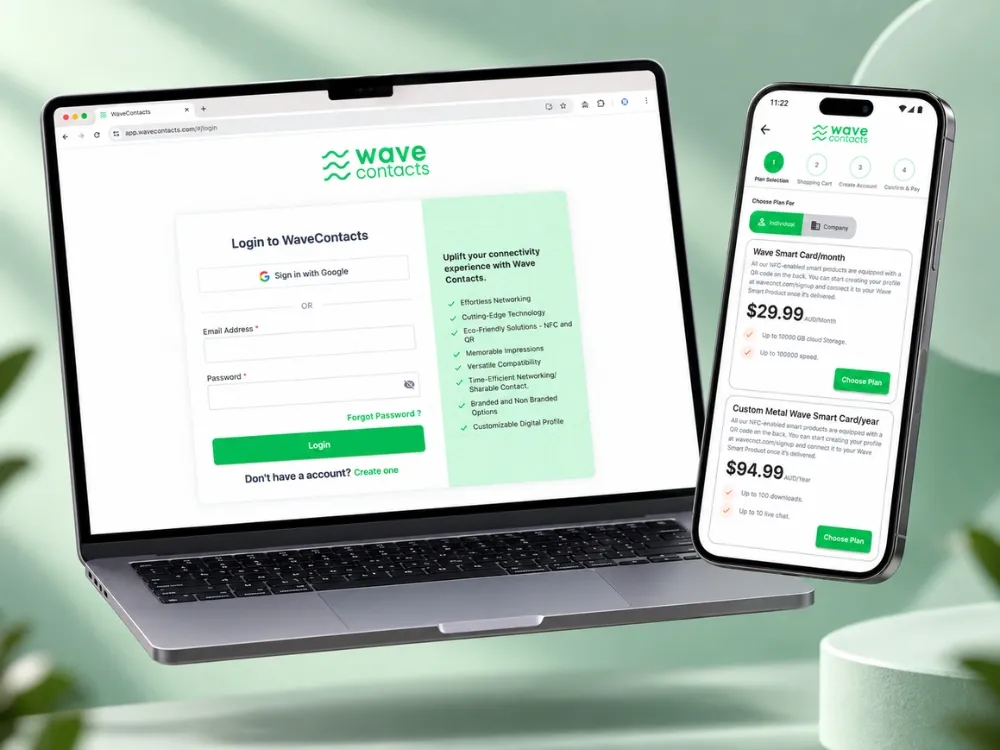
  • WaveContact
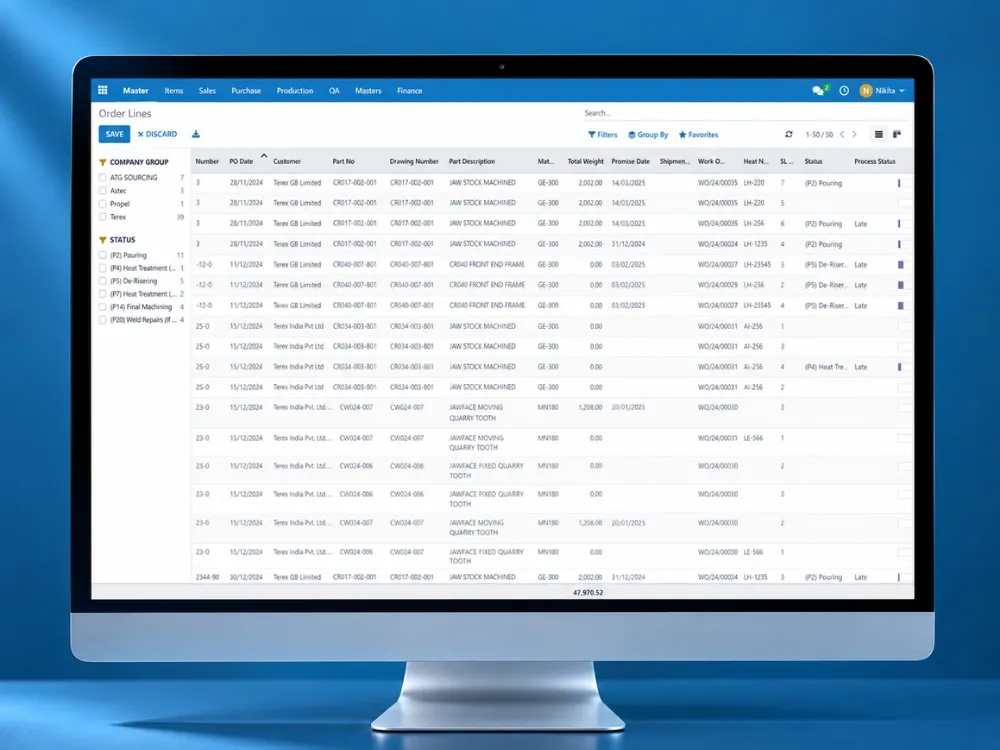
  • Baroda Hi-Tech Alloys
  • Avasar Agency
  • Ladder Logix
  • Aria Jewellers
  • Jo Ann's

How we work

Why Maintainability Beats Speed-to-Demo

Custom application development at Heliconia means one team designing and building the backend, the web frontend, the mobile app and the integrations of a system as a single architecture, with the decisions that determine whether it can still be changed in five years made first, in writing.

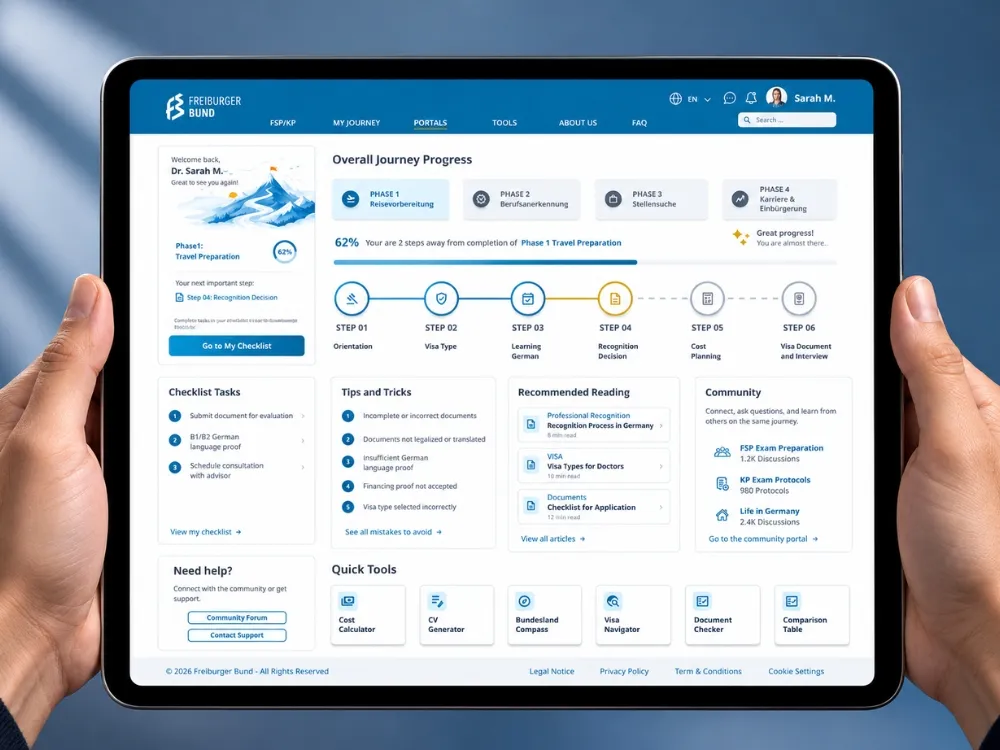
Most custom applications fail slowly: the demo was fast, the architecture was implicit, and every change after launch costs more than the last. We optimise for the opposite curve. Freiburger Bund (an Odoo 18 backend, a Next.js 15 portal, a React Native app and a Socket.IO messaging server) has been in continuous development for over a year without a rewrite, because the boundaries were drawn before the first sprint.

Application services

What We Engineer

Technical expertise

One Stack, Chosen for Longevity

Web, mobile, backend and infrastructure as one coherent capability, every part in production today.

TypeScript + Node.js
Backend services, API layers and real-time servers (Express, Socket.IO) with types shared across the stack.
Python
Odoo modules, data processing and the services that sit closest to the ERP.
PostgreSQL
The database for everything: relational integrity, proper indexing, no surprises at scale.
Next.js + React
Web frontends (portals, storefronts, dashboards) with server rendering, caching and a component model your team can maintain.
PayloadCMS
Content and editorial data next to application data, without a second platform to run.
React Native (Expo) + Flutter
Cross-platform mobile with native performance, push notifications and over-the-air updates.
GraphQL + REST
API contracts designed for the screens that consume them. GraphQL where clients need shaped reads, REST where simplicity wins.
Redis, Meilisearch, MongoDB
Caching and queues, sub-second search, and document storage where the domain calls for it.
S3-compatible storage, FCM
Media and documents on Cloudflare R2 / AWS S3 / MinIO. Push notifications via Firebase.
Docker, CI/CD, Playwright
Reproducible environments, reviewed deployments, end-to-end tests that run before every release.

Also in production

Technologies in our production systems

OdooTypeScriptNext.jsReactReact NativeFlutterNode.jsPythonPostgreSQLGraphQLRedisMeilisearchPayloadCMSSocket.IODockerCloudflare R2StripeRazorpay

Delivery

From Greenfield to Production, and Beyond

  1. Discovery

    Users, workflows, data, the systems it must talk to, and the non-functional requirements (scale, offline, real-time, compliance) that shape the architecture.

  2. Architecture

    Service boundaries, data model, API contract, frontend/mobile split, hosting and the integration plan. Written down and reviewed with you before code.

  3. Foundations

    Repositories, CI, environments, authentication, the API skeleton and the design system. The unglamorous month that makes every later month faster.

  4. Iterative build

    Sprints delivering usable slices (backend, web and mobile together) reviewed on staging with real data.

  5. Testing

    Unit and end-to-end tests (Playwright), load testing where it matters (Artillery), security review on auth and data access.

  6. Release and evolve

    Production deployment with monitoring and rollback, then continuous delivery under an ongoing engagement.

Reference architecture

How Our Applications Are Typically Shaped

The pattern behind Freiburger Bund, WaveContact and our headless commerce builds: clear layers, one API contract, business logic in one place.

  • API layer
  • Application services
  • Data and infrastructure
How Our Applications Are Typically Shaped
  • Web app

    Next.js / React

  • Mobile app

    React Native / Flutter

  • External systems

    Payments, CRM, email, partners

API layer

GraphQL / REST · authentication · webhooks · queues

Application services

Node.js / Python services, real-time server, background jobs, and Odoo when it's the system of record

Data and infrastructure

PostgreSQL · Redis · Meilisearch · object storage · Docker on cloud or on-premise

Evidence

Applications We Have Engineered

All case studies

What clients say

In Their Words

Questions

Custom Application Development, Answered

Atul Makwana

CEO & Co-Founder, Heliconia Solutions

Not answered here? Ask Atul directly, the person who reviewed this page, not a sales queue. Odoo 16 Functional Certification.

Ask a question

What's your development process for a greenfield custom application?

Discovery, written architecture, a foundations phase (repos, CI, auth, API skeleton), iterative sprints delivering usable slices across backend, web and mobile, automated testing, then release with monitoring and an ongoing engagement.

Do you build the frontend, backend and infrastructure, or just one layer?

All of them, as one architecture, by one team, and we're happy to build one layer against your existing ones when that is what you need.

How do you handle a custom application that needs to talk to Odoo or other existing systems?

Integration is part of the architecture, not an afterthought: an API layer with retries, idempotency and monitoring, and Odoo (or your CRM, payments, logistics) treated as a first-class service in the design.

API & integrations

Which technologies do you use?

TypeScript/Node.js and Python on the backend, PostgreSQL, Next.js/React on the web, React Native and Flutter on mobile, GraphQL and REST APIs, with Redis, Meilisearch and S3-compatible storage where needed. Only what we run in production.

Can you build an MVP first?

Yes: an MVP on the same architecture, so it grows into the product instead of being thrown away. The foundations phase is what makes that possible.

Web application development

Is this the same as Odoo development?

No. Odoo development extends Odoo with modules. Custom application development builds standalone applications, which very often integrate with Odoo.

Odoo development

Next step

Have an Application That Needs Engineering?

Tell us what it must do, who uses it and what it must connect to. We'll come back with an architecture sketch, a stack recommendation and a phased plan.