



Odoo integration

Connect Odoo to the Systems Your Business Already Uses

Integrate Odoo with eCommerce platforms, payment gateways, CRMs, logistics providers, marketplaces, mobile applications and custom systems, with the error handling and monitoring that keep integrations working after launch.

Reviewed by Atul Makwana, CEO & Co-Founder, Heliconia Solutions · Odoo 16 Functional Certification · Odoo Partner · Updated

Proof

REST + GraphQL APIsPayment gateways + terminalsMobile + storefront APIsWebhooks + queuesMonitoring + reconciliation

Clients

Businesses that run on what we built

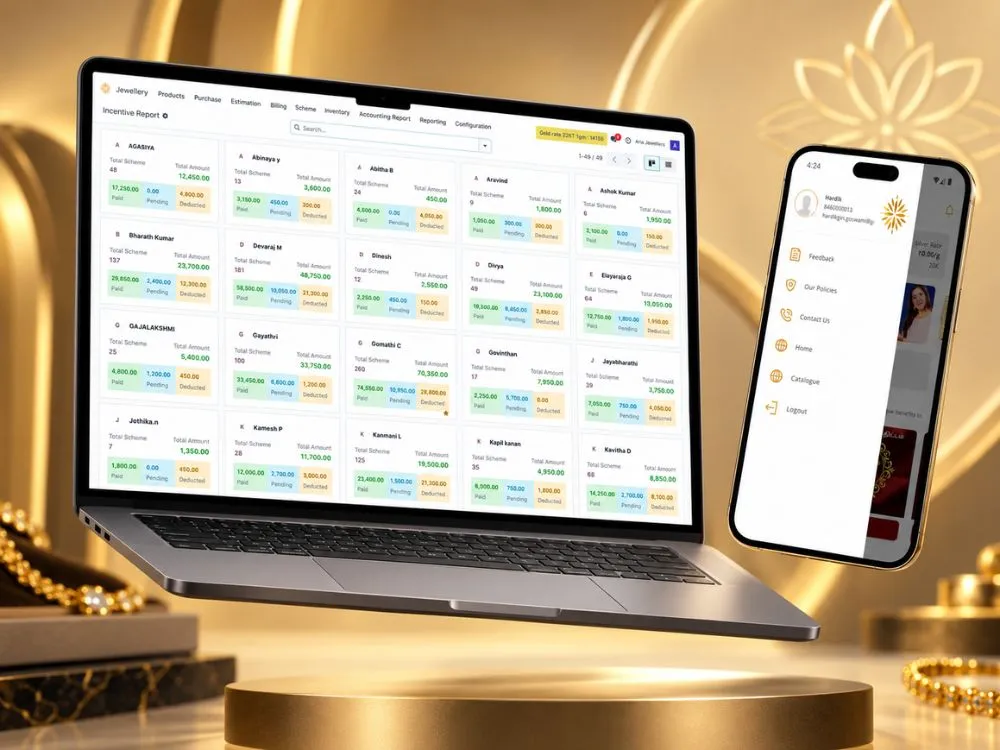
  • Aria Jewellers
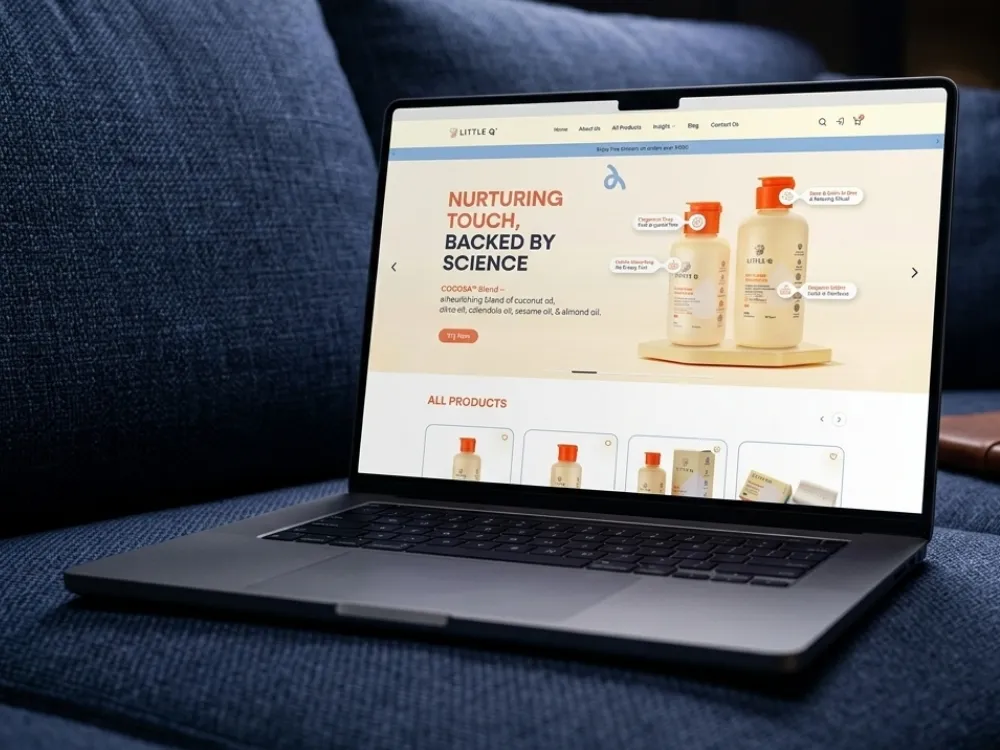
  • LittleQ
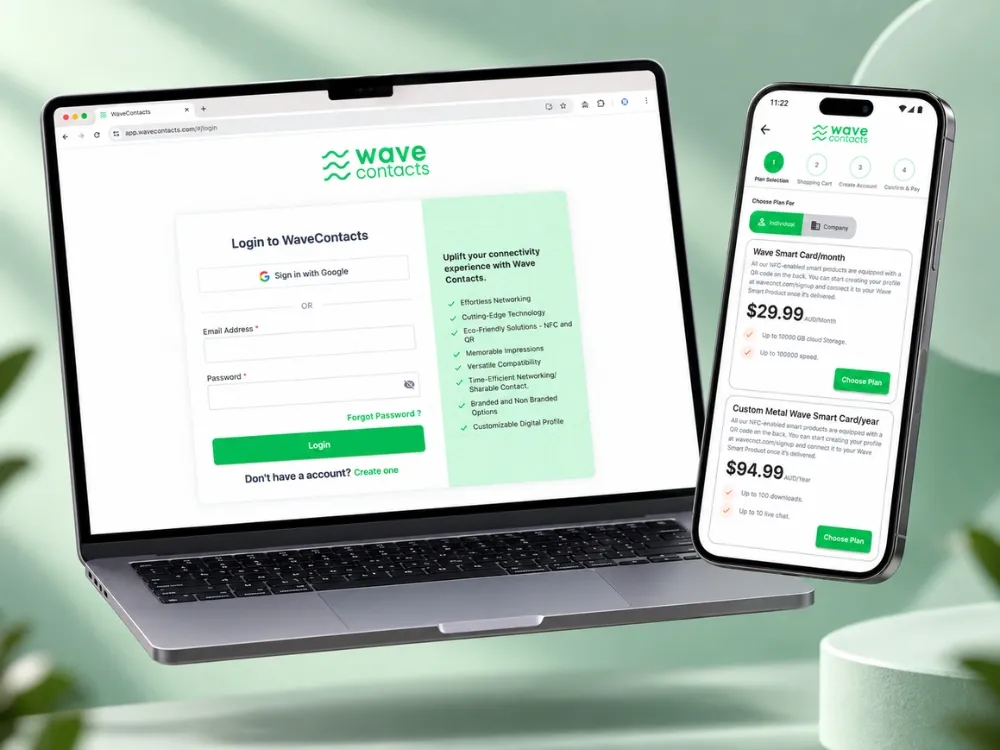
  • WaveContact
  • Mevalon Produkte
  • TIMmunity GmbH
  • Freiburger Bund
  • Jo Ann's

Why integrate

Why Integrate Odoo Instead of Replacing Everything?

Odoo integration connects Odoo to the systems a business already runs (storefronts, payment providers, CRMs, shipping, communication and custom or mobile applications) so data flows automatically instead of being re-keyed. It's usually cheaper and less disruptive than replacing working systems, and it lets Odoo be the system of record without being the only system.

The value of an integration is entirely in its reliability. A synchronization that silently drops one order in a thousand is worse than no integration, because nobody is watching the gap. That is why we treat integration as an engineering discipline (retries, idempotency, logging, reconciliation) rather than a connector to be configured.

Systems

What We Integrate Odoo With

Categories we have delivered in production. Named systems are ones we have actually connected.

  • eCommerce

    Headless storefronts (Next.js), Odoo eCommerce, custom shops. Products, stock, prices, orders and customers kept in sync.

  • Payments

    Razorpay subscriptions, Cashfree, Stripe, Paytm POS EDC terminals: online checkout, recurring billing and counter payments posted straight into Odoo.

  • CRM and sales tools

    Zoho CRM and Books, Monday.com, Calendly: leads, contacts and events flowing both ways.

  • Logistics

    Shiprocket shipping rates and fulfilment, barcode and RFID scanners, direct-to-printer labels and receipts.

  • Communication

    MSG91 SMS and OTP, Twilio, Firebase Cloud Messaging push, Outlook IMAP, SMTP: notifications and authentication.

  • Banking and finance

    Swedbank API for statements and payments, multi-currency gateways, reconciliation flows.

  • Mobile applications

    React Native and Flutter apps for customers, suppliers and members, on GraphQL and REST APIs we build.

  • Custom applications

    Member portals, real-time messaging servers, search engines (Meilisearch), object storage (S3, Cloudflare R2) and automation platforms (Zapier).

Integration guides

Platforms We Have Connected to Odoo, in Detail

Each of these has its own page: which system owns which data, the lifecycle, how it fails and the project it comes from. A platform appears here once we have run it in production.

Integration methods

How Odoo Talks to Other Systems

The right method depends on direction, volume, latency and who owns the other side.

How Odoo Talks to Other Systems
MethodBest forWatch out for
REST APIRequest/response from external apps, simple, well-understood contractsOver-fetching on mobile, versioning as models change
GraphQLWeb and mobile clients needing shaped, fast reads, storefronts and appsQuery cost limits, caching strategy
WebhooksReal-time events from payment providers, storefronts, SaaS toolsSignature validation, retries, duplicate deliveries
Scheduled jobsBatch sync with systems that have no events, nightly reconciliationWindow size, overlap, failure visibility
QueuesHigh-volume or bursty traffic, decoupling Odoo from slow third partiesOrdering, dead-letter handling, monitoring
Direct databaseRead-only reporting in a controlled environmentBypasses business logic and security: avoid for writes
Third-party APIsPayments, SMS, shipping, bankingRate limits, sandbox vs production, credential rotation

Direct database integration is tempting and usually wrong: it skips Odoo's ORM, validation, access rules and audit trail. We use it only for controlled read-only reporting, never for writes.

Architecture

An Integration Layer, Not a Tangle of Point-to-Point Links

External systems talk to an integration layer (APIs, webhooks, queues) which talks to Odoo through its ORM. Business rules stay in one place. Failures are visible in one place.

  • API and queue layer
  • Odoo
  • PostgreSQL + services
An Integration Layer, Not a Tangle of Point-to-Point Links
  • Storefront + mobile

    Next.js shop, React Native / Flutter apps

  • Payments + logistics

    Razorpay, Cashfree, Stripe, Paytm EDC, Shiprocket

  • CRM + SaaS

    Zoho, Monday.com, Calendly, Zapier, banking

API and queue layer

GraphQL · REST · Webhooks · scheduled jobs · queues: validation, retries, idempotency, logging

Odoo

The system of record: orders, customers, stock, invoices, subscriptions

PostgreSQL + services

Redis for queues and cache, Meilisearch for search, S3/R2 for files

Reliability

What Makes an Integration Reliable

These are the properties we design in. They're the difference between an integration and a liability.

  • Retries with backoff

    Transient failures (a payment API timeout, a storefront hiccup) are retried automatically, not lost.

  • Idempotency

    A retried or duplicated webhook creates one order, not two. Every write carries a key that makes it safe to repeat.

  • Queues for volume

    Bursts (a sale, a catalogue import) are absorbed by a queue instead of taking Odoo down.

  • Logging and monitoring

    Every message in and out is logged with status. Failures raise alerts. They don't wait to be noticed.

  • Reconciliation

    Scheduled comparison of both sides (orders, payments, stock) so drift is found and fixed, not discovered by a customer.

  • Validation and limits

    Webhook signatures verified, rate limits respected, credentials rotated, sandbox and production kept apart.

Evidence

Integrations Running in Production

Payment, mobile, eCommerce, GraphQL, CRM and custom APIs, connected to Odoo and still running.

All case studies

First-party experience

What Production Integrations Have Taught Us

  1. 01

    Payment webhooks arrive twice. Idempotency isn't a nice-to-have. It's the difference between one invoice and two.

  2. 02

    A GraphQL layer built for a mobile app becomes the storefront API, the supplier portal API and the reporting API. Design it as a product.

  3. 03

    Counter hardware (EDC terminals, label printers, RFID scanners) needs a fallback path for when it's offline, decided before go-live.

  4. 04

    Reconciliation jobs find the bugs that logs don't: a sync that succeeds but writes the wrong quantity.

What clients say

In Their Words

Questions

Odoo Integration Questions, Answered

Atul Makwana

CEO & Co-Founder, Heliconia Solutions

Not answered here? Ask Atul directly, the person who reviewed this page, not a sales queue. Odoo 16 Functional Certification.

Ask a question

Can Odoo integrate with Shopify?

Yes. Odoo can synchronize products, stock, prices, orders and customers with Shopify through the Shopify API and webhooks, with Odoo as the system of record for stock and fulfilment.

Our storefront work to date has been on headless Next.js shops connected to Odoo over GraphQL. The same integration layer applies to Shopify.

Can Odoo integrate with a custom application?

Yes. Custom applications connect through REST or GraphQL APIs we build on Odoo, or through webhooks and queues for event-driven flows, as with Freiburger Bund's member portal and real-time messaging server.

Custom application development

Does Odoo provide APIs?

Yes. Odoo exposes XML-RPC and JSON-RPC APIs to every model out of the box. For production integrations we usually add purpose-built REST or GraphQL endpoints with proper authentication, shaped payloads and rate limits.

Can you build custom Odoo APIs?

Yes. REST controllers and GraphQL schemas exposing exactly the models and operations a client needs, documented and versioned.

Odoo development

Can Odoo connect to mobile apps?

Yes. We build the mobile app and the API together, React Native or Flutter on GraphQL/REST, for customer apps (Aria Jewellers), supplier apps (Ramdev Kangan) and member apps (Freiburger Bund).

Mobile application development

Which payment gateways have you integrated with Odoo?

Yes. Online gateways (Razorpay, Cashfree, Stripe), recurring subscriptions and physical POS terminals (Paytm EDC) are integrated so payments post to the right invoice or order automatically.

How do you handle failed synchronization?

Failures are retried with backoff, logged with the full payload, and surfaced as alerts. Scheduled reconciliation compares both systems so anything that slipped through is found and corrected.

Can you build real-time Odoo integrations?

Yes. Webhooks and event queues give near-real-time flows. For genuinely real-time features (chat, presence, live updates) we run a dedicated Socket.IO service authenticated against Odoo, as at Freiburger Bund.

Next step

Need Odoo to Talk to Your Other Systems?

List the systems, the direction of the data and how often it needs to move. We'll propose the integration method and what it takes to keep it reliable.