


eCommerce development

Online Stores Built to Convert and Scale

Most agencies sell you a platform. We choose the backend for the business (Shopify, WooCommerce, a custom build, or Odoo itself when the store is really an inventory and order problem) and engineer the storefront, payments, fulfilment and performance around it.

  • Headless storefronts
  • Shopify
  • WooCommerce
  • Odoo commerce
  • Payments
  • Fulfilment
  • Core Web Vitals

Reviewed by Atul Makwana, CEO & Co-Founder, Heliconia Solutions · Odoo 16 Functional Certification · Odoo Partner · Updated

Proof

Headless stores in productionPayments: Razorpay, Cashfree, Stripe, PaytmFulfilment: ShiprocketOdoo as commerce backendStorefront + mobile on one API

Clients

Businesses that run on what we built

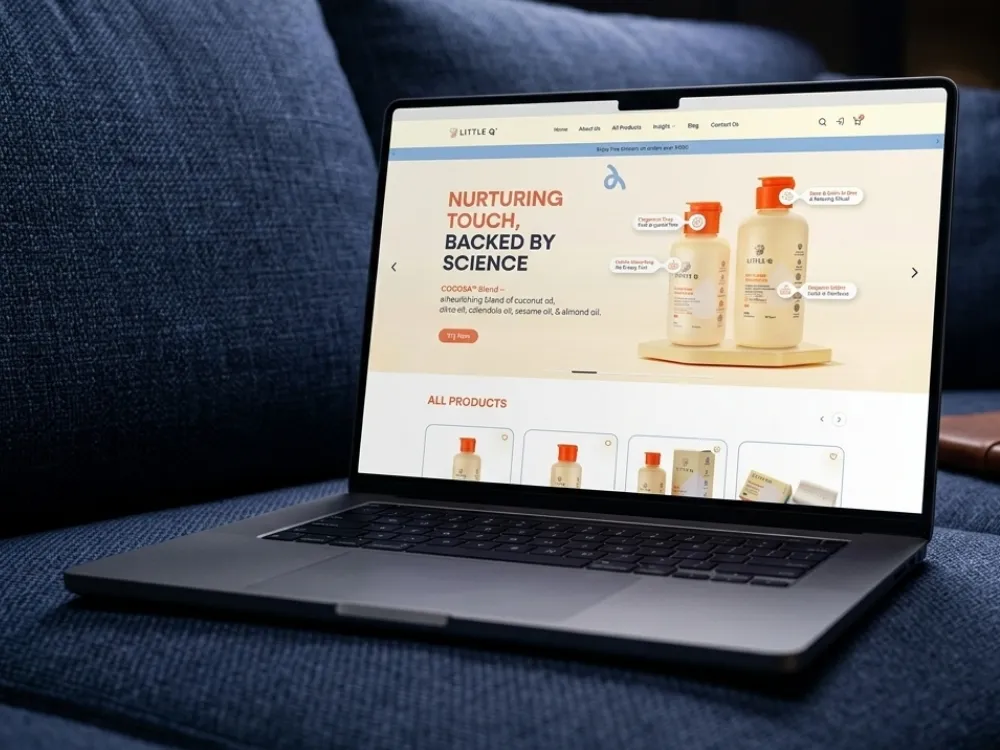
  • LittleQ
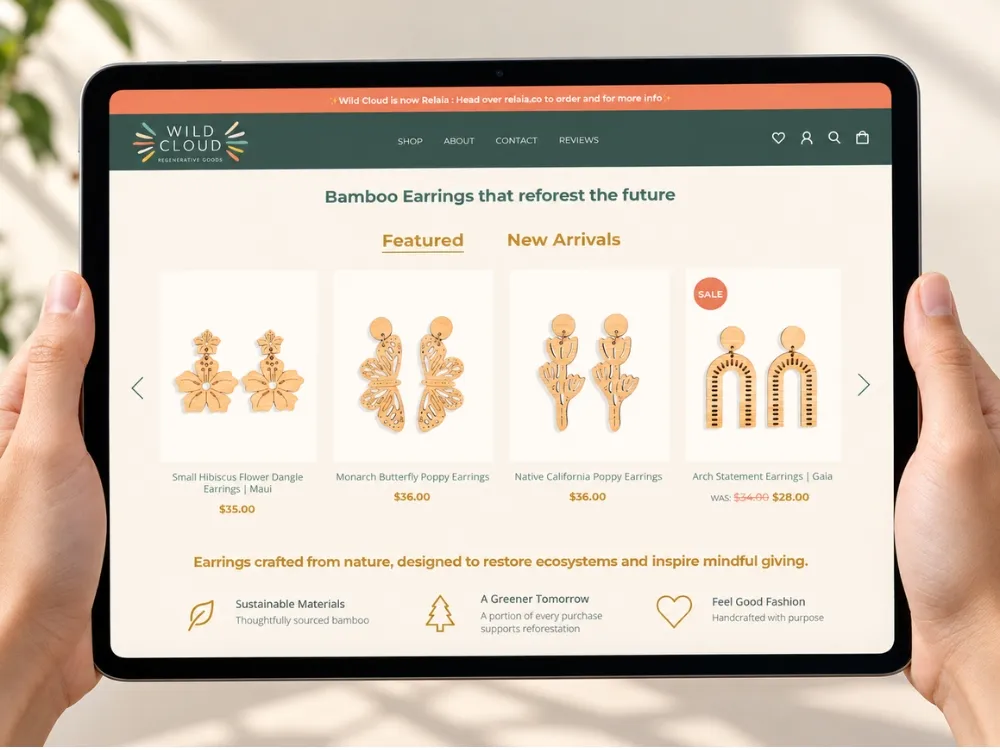
  • Wild Cloud
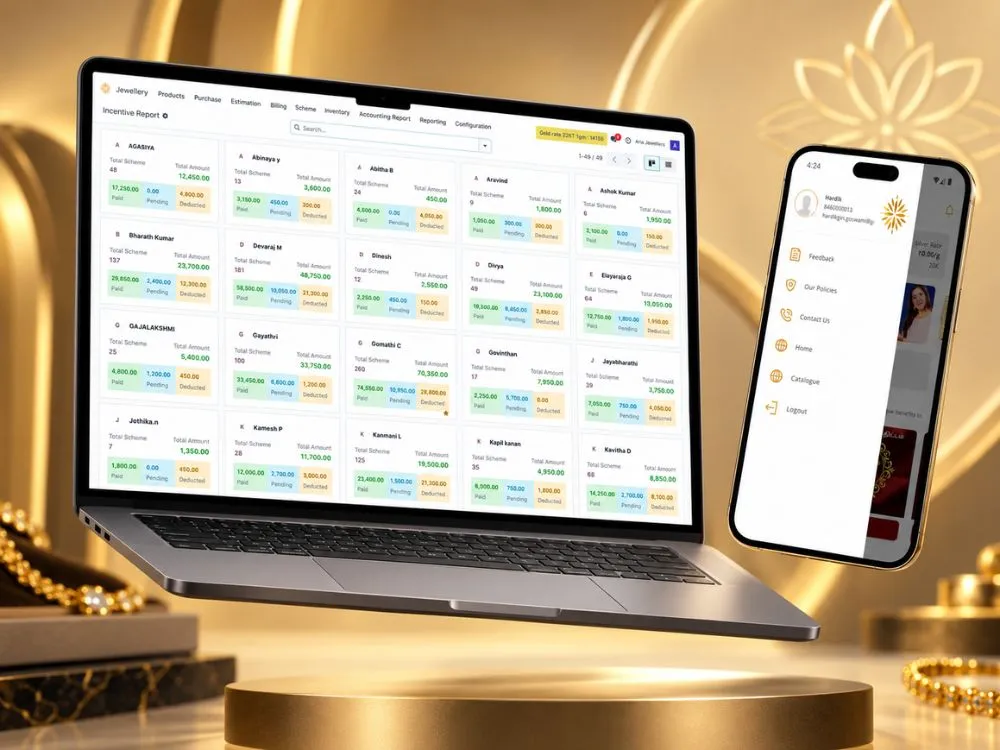
  • Aria Jewellers
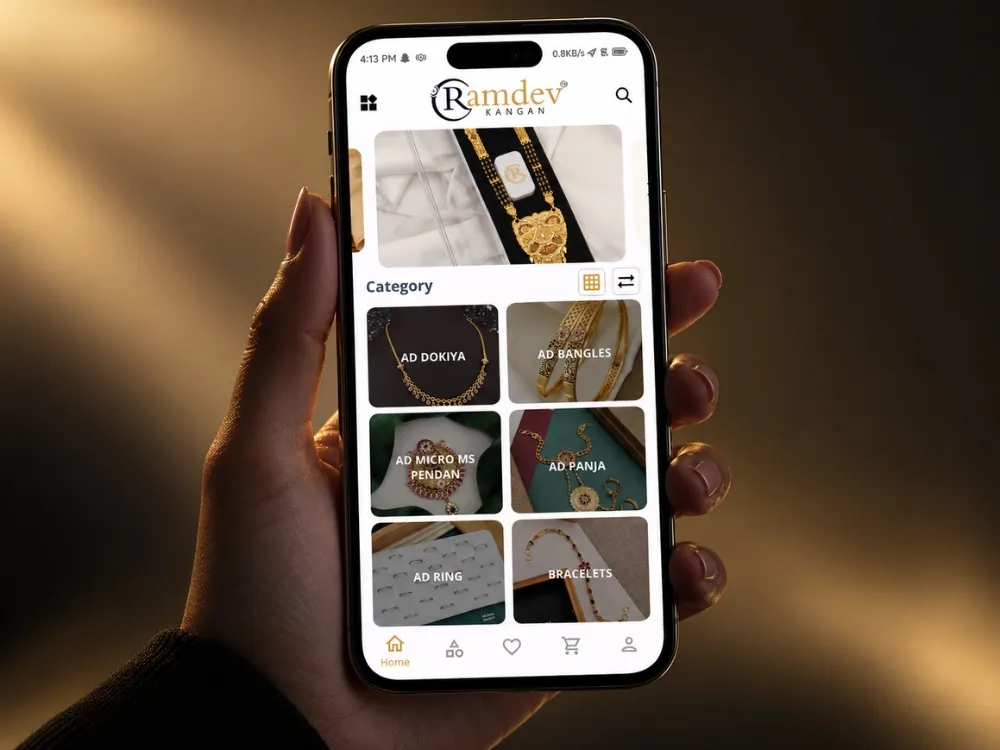
  • Ramdev Kangan
  • Ladder Logix
  • Mevalon Produkte
  • Freiburger Bund

Why an Odoo partner builds stores

The Backend Decision Most Agencies Skip

Odoo is our deepest specialization. The same engineering discipline (architecture first, maintainable code, real production evidence) extends to the systems that sit around Odoo: storefronts, mobile apps, integrations and custom software. Often for the same clients.

A store is a storefront sitting on catalog, stock, orders, payments and fulfilment. If those already live in an ERP, or should, the storefront ought to talk to it rather than keep its own copy. We're one of the few commerce teams that will tell you Odoo is your commerce backend when it is (LittleQ, Ramdev Kangan) and Shopify when it is.

eCommerce services

What We Build for Online Stores

Which backend

Choosing the Commerce Backend

The decision that shapes everything after it. We make it on the business, not on what we prefer to build.

Choosing the Commerce Backend
ShopifyWooCommerceOdooCustom
Best forBrands wanting managed commerce with a large app ecosystemContent-heavy stores already on WordPressBusinesses where stock, pricing and orders live in the ERPCommerce that is the product itself
Catalog complexityMediumMediumHigh: variants, lots, serials, pricelistsAny
CheckoutShopify's, mostly fixedFully customizableFully customizableYours
B2B / wholesaleVia appsVia pluginsNative: pricelists, credit limits, portalsBuilt
OwnershipSubscriptionOpen source + hostingOpen source (Community) or subscriptionTotal
HeadlessStorefront API, HydrogenREST / GraphQLGraphQL / REST layer we buildNative

LittleQ and Ramdev Kangan run headless on Odoo. Wild Cloud runs Odoo eCommerce. We build Shopify and WooCommerce storefronts with the same frontend discipline.

How a store is built

From Catalog to Checkout

  1. Discovery

    Catalog, markets, payments, shipping, B2B needs, existing systems, and whether the storefront is the product or the operations are.

  2. Backend decision

    Shopify, WooCommerce, Odoo or custom, with the reasons written down.

  3. Storefront design

    Conversion-first design on your brand: category, product, cart, checkout, account.

  4. Build

    Storefront, API integration, payments, shipping, search and content, with real catalog data from the first sprint.

  5. Migrate and launch

    Catalog, customers and orders migrated, redirects preserved, launched without downtime.

  6. Grow

    Performance and conversion work, new markets, mobile apps on the same API.

By the numbers

What the Track Record Looks Like

Years in business
9+
Projects delivered
60+
Countries served
17+
Users on software we ship
6.7M

Evidence

Stores and Commerce Systems We Have Built

Headless commerce, Odoo eCommerce, a customer shopping app with subscriptions, and a supplier catalog app.

All case studies

What clients say

In Their Words

Questions

eCommerce Development, Answered

Atul Makwana

CEO & Co-Founder, Heliconia Solutions

Not answered here? Ask Atul directly, the person who reviewed this page, not a sales queue. Odoo 16 Functional Certification.

Ask a question

Do we need headless commerce, or is a standard platform fine?

Most stores don't need headless. A well-built Shopify theme, WooCommerce site or Odoo eCommerce store serves most B2B and mid-size B2C businesses. Headless earns its cost when the storefront experience is the product, a mobile app is required, or several channels share one backend.

Headless eCommerce explained

Can Heliconia migrate an existing store without downtime?

Yes. Catalog, customers and order history are migrated to a staging store first, URLs are mapped and redirected, and the cut-over is scheduled and rehearsed: the same discipline we use for ERP migrations.

Which platform is right for our catalog size and team?

Shopify for managed commerce with a marketing team. WooCommerce for content-heavy stores on WordPress. Odoo when stock, pricing, B2B and orders are the real complexity. Custom when commerce is the product. The table above is our starting framework.

Can you integrate payments and shipping for our market?

Yes. Razorpay (including subscriptions), Cashfree, Stripe and Paytm terminals. Shiprocket for shipping, and other providers through their APIs.

API & integrations

Can the store share a backend with a mobile app?

Yes: that is one of the main reasons to go headless. The API that serves the storefront serves the app.

Mobile application development

Is Odoo really a commerce backend?

Yes, when the business runs on it. Odoo already holds products, variants, stock, pricelists, customers and orders. A storefront on top of it means no synchronisation problem at all.

Headless Odoo

Next step

Building or Rebuilding a Store?

Tell us about your catalog, markets and the systems behind the store. We'll recommend the backend, and show you how we would build the storefront.