Technology

Next.js Applications Built Around Real Business Systems

A Next.js front end is only as good as what stands behind it. Every Next.js system on this page talks to a real backend we also built or run: an ERP, a CMS, a payment platform. That is the part most agencies leave to someone else.

  • App Router
  • Server Components
  • GraphQL & REST
  • Payload CMS
  • i18n
  • SSR & ISR

Reviewed by Bhavesh Selarka, COO & Co-Founder, Heliconia Solutions · Odoo 16 Functional Certification · Odoo Partner · Updated

Proof

Next.js 15 in productionApp Router migrationsOdoo and Payload behind the front endFour-language portalsEmbedded in client teams

Clients

Businesses that run on what we built

  • Freiburger Bund
  • LittleQ
  • Ladder Logix
  • Avasar Agency
  • Aria Jewellers
  • Jo Ann's
  • Opsio

The short answer

When Is Next.js the Right Choice?

Next.js fits when you need a fast, indexable web experience with real application behaviour behind it: authentication, personalised data, search, content and transactions. It is the right tool for storefronts, member portals, dashboards and content-heavy products that must be quick on first load and dynamic afterwards. It is the wrong tool for a five-page brochure site, and for anything where the team has no appetite for a JavaScript build pipeline.

We build Next.js as the presentation layer over systems that hold the data: Odoo for commerce and operations, Payload CMS for editorial content, and APIs for everything else. That split is deliberate. It keeps the business logic where it can be audited and lets the interface change without a migration.

The four projects named on this page are all running in production, and each one solves a different problem: a multilingual association portal, a direct-to-consumer storefront, a workforce payments platform and a remittance product. None of them would work if the front end didn't have something solid behind it.


What we deliver

What We Build With Next.js

Stated as outcomes, each with the project it comes from.

  • Member and customer portals

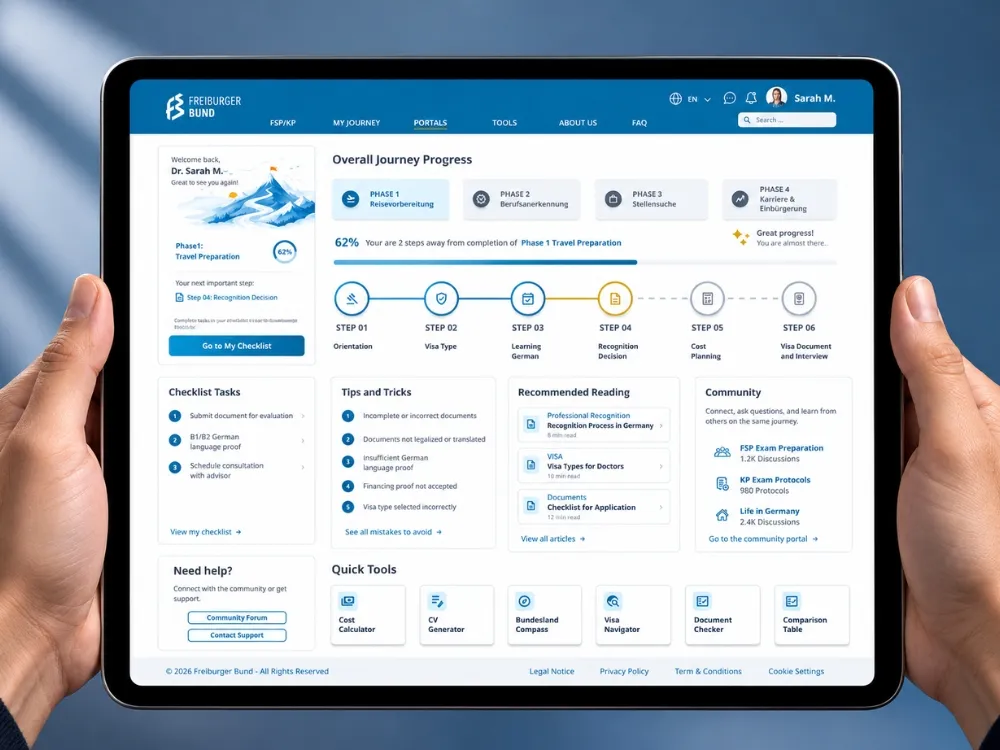
    Freiburger Bund runs a Next.js 15 portal for a medical association: news, community, jobs, learning and a medical-journey section, in German, English, French and Arabic, with live messaging and full-text search.

    • Auth
    • Multilingual
    • Real-time
  • Headless storefronts

    LittleQ sells through a Next.js storefront on GraphQL with Odoo behind it for catalog, stock, orders and customers, plus Cashfree payments and Shiprocket shipping.

    • GraphQL
    • Checkout
    • ERP-backed
  • Product interfaces on existing platforms

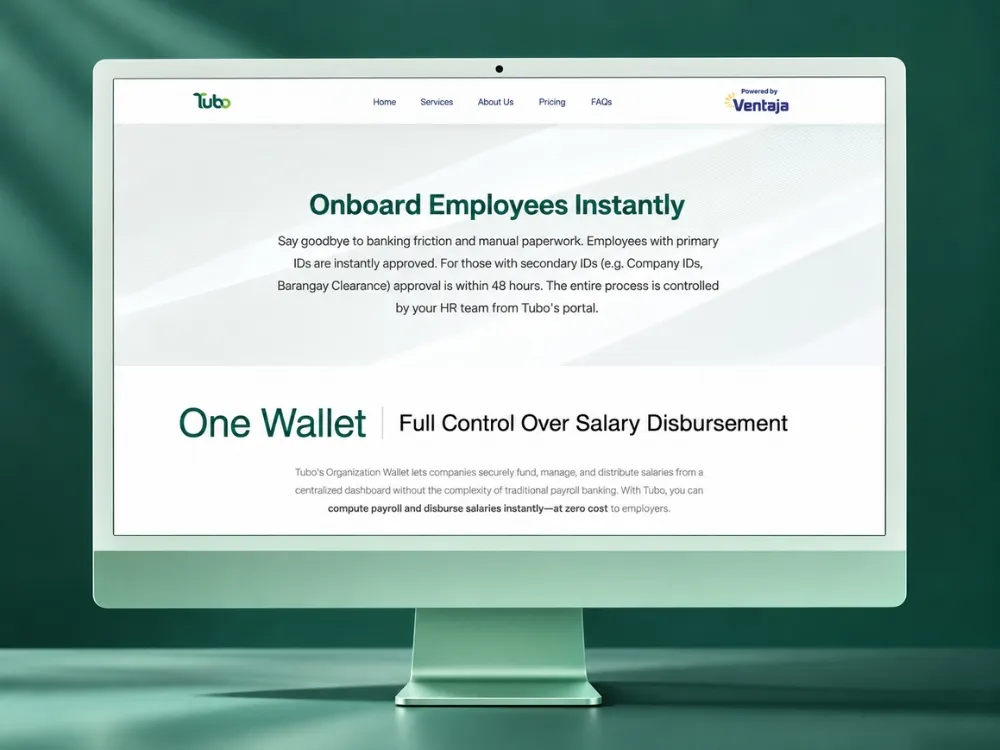
    Tubo Ventaja got HRIS, timekeeper, e-wallet and face-recognition interfaces built into its Next.js workforce-payments product by our engineers working inside its sprints.

    • Feature delivery
    • Embedded team
    • Sprint releases
  • App Router migrations

    Tubo Ventaja moved from the pages directory to the App Router with authentication rebuilt in the process, shipped incrementally rather than as a rewrite everyone waits for.

    • Incremental
    • Auth rebuild
    • No big bang
  • Content platforms with Payload CMS

    Freiburger Bund pairs Next.js 15 with Payload CMS 3, so editors publish in four languages and the front end stays a front end. This website runs the same pattern.

    • Editorial workflow
    • Preview
    • Media
  • Search, media and notifications

    MeiliSearch for instant full-text search across thousands of records, S3-compatible object storage for sensitive documents, and Firebase Cloud Messaging for push, all wired into the same Next.js app at Freiburger Bund.

    • MeiliSearch
    • S3 storage
    • Push

The pattern

How We Architect a Next.js System

The same shape on every project: Next.js renders and orchestrates, the systems of record stay authoritative, and the boundary between them is an explicit API rather than a shared database.

  • Next.js 15
  • React
  • TypeScript
  • Payload CMS
  • GraphQL
  • REST
  • MeiliSearch
  • Socket.IO
  • Node.js
How We Architect a Next.js System
  • Visitors and members

    Public pages, authenticated portals and dashboards on the web.

  • Mobile apps

    React Native or Flutter clients calling the same APIs as the web.

  • Editors

    Content teams working in Payload CMS, not in the codebase.

Next.js application

App Router, server components for data-bound pages, client components only where interaction needs them. Rendering chosen per route: static where it can be, server-rendered where it must be.

API layer

GraphQL or REST against the systems of record, with authentication, caching and rate limits. This is the contract, and it is versioned deliberately.

Content

Payload CMS for editorial structures, localisation, media and preview, running next to the app rather than as a separate SaaS dependency.

Systems of record

Odoo for commerce, inventory, orders and finance, or the client’s existing platform. The front end never becomes the place business rules live.

Honest positions

When We Recommend Next.js, and When We Do Not

Framework choice should follow the system, not the other way round. These are the calls we actually make.

When We Recommend Next.js, and When We Do Not
Your situationWhat we would recommendWhy
A storefront or portal with real data behind itNext.jsFast first load, indexable, and dynamic once the user is in. This is the case it was designed for
A marketing site with a few dozen pagesAstro, as this site usesNo client framework to ship, simpler hosting, and the content team gets the same CMS either way
An internal tool used by staff who are already in the ERPBuild it in OdooA separate front end adds an integration and an auth model you would otherwise not need
A mobile-first productFlutter or React Native, sharing the same APIsA responsive web app is not the same as an app. Decide deliberately rather than by default
Your team is a Rails, Laravel or .NET shop with no JS capacityStay where your team is strong, or hire for it properlyA framework nobody on your side can maintain is a liability, however good the launch looks

We build in Astro, Odoo and Flutter as well, so this is not a recommendation we make to fit what we sell.

How we work

Versions, Performance, Testing and Deployment

  • Version policy: current stable Next.js on new builds, with upgrades planned as work rather than deferred until a security release forces them
  • Rendering decided per route (static, server-rendered or incrementally revalidated), because the wrong default is the most common performance problem we inherit
  • Core Web Vitals treated as a requirement, with images, fonts and third-party scripts budgeted rather than added freely
  • TypeScript throughout, with the API contract typed from the source of truth where the backend can generate it
  • Testing proportionate to risk: the checkout, the auth flow and the money paths first
  • Deployment on your infrastructure or your host of choice, with preview environments for review and a documented rollback
  • Handover documentation and the repository structure a new engineer can read, because most of these systems outlive the first team

Evidence

Next.js Systems We Run in Production

Four systems, four different problems. Each one names its stack and what it does.

Next.js Systems We Run in Production
ProjectIndustryOdooKey capabilitiesTechnology
Freiburger BundHealthcare association & career portalOdoo 18 EnterpriseFreiburger Base · Freiburger Community Portal · Freiburger Info & News Portal · Freiburger Job PortalOdoo 18 Enterprise · Python · PostgreSQL · Next.js 15 · React 19
LittleQeCommerce, baby careOdooHeadless Odoo API · Product Catalog Management · Product Discount Engine · Distributor Registration PortalOdoo · Next.js · PayloadCMS · React · Node.js
Tubo VentajaHRTech / FinTech: workforce payments–Google Maps API · Face recognition API · Location services · HRIS backend services (REST)Next.js · React · Node.js
PayRemitFinTech: digital payments & remittanceOdooAgent Management · Employer Management · Commission Management · Payment History ReportsOdoo · Python · PostgreSQL · Next.js · Flutter

Read the projects

Three Next.js Builds Worth Reading

A four-language association platform, a headless storefront on Odoo, and engineers embedded in a client product team.

All case studies

Two ways to work with us

A Project, or Engineers for Your Team?

This page is about delivering a system. If what you need is Next.js capacity inside your own team, working in your repository and your sprints, that is a different engagement and it has its own page.

What clients say

In Their Words

Questions

Next.js Questions, Answered Directly

Bhavesh Selarka

COO & Co-Founder, Heliconia Solutions

Not answered here? Ask Bhavesh directly, the person who reviewed this page, not a sales queue. Odoo 16 Functional Certification.

Ask a question

Can Next.js work with Odoo as the backend?

Yes, and it is one of the architectures we build most often. Odoo exposes the data over GraphQL or REST, Next.js renders it, and the business rules stay in the ERP where they can be audited.

LittleQ sells through exactly this: a Next.js storefront on GraphQL with Odoo running catalog, stock, orders and customers.

Headless Odoo architecture

Should we use the App Router or the pages directory?

App Router on anything new. For an existing product, migrate incrementally rather than rewriting: both routers can run in the same application while you move route by route.

We did that for Tubo Ventaja, rebuilding authentication as part of the migration and shipping through normal sprint releases rather than a freeze.

Which CMS do you pair with Next.js?

Payload CMS, in most cases. It is TypeScript-native, runs alongside the Next.js app rather than as a separate SaaS, and gives editors localisation, preview and media without the front end becoming a content store.

Freiburger Bund runs Next.js 15 with Payload CMS 3 in four languages. This website runs the same pairing.

Payload CMS development

Do you work with our existing codebase and team?

Yes, and often that is the better engagement. Our engineers joined Tubo Ventaja’s product team, worked in its repository and sprint cadence, and delivered the App Router migration alongside new HRIS and e-wallet features.

How embedded teams work

Where can a Next.js application be hosted?

On any Node-capable host: your own cloud account, a container platform or a managed Next.js host. We build without assuming a specific vendor, because hosting lock-in is a decision that should be made openly rather than inherited from a template.

Is Next.js right for a marketing website?

Often not. If the site is mostly content with little application behaviour, a static-site framework ships less JavaScript and is simpler to host. This site is built in Astro for that reason, with Payload CMS behind the blog.

We will tell you when that is the better answer.

Website development

Next step

Tell Us What Stands Behind the Interface

The front end is the easy half. Send us the systems it has to talk to, who uses it and what it has to stay fast under, and we will propose an architecture with the boundaries drawn.