




Odoo development

Odoo Development for Complex Business Requirements

When configuration runs out, we write code: custom Odoo modules, APIs, workflows and integrations, built as separate addons that survive the next upgrade. Configuration-first decisions belong on the customization page. This page is about what happens after them.

Reviewed by Atul Makwana, CEO & Co-Founder, Heliconia Solutions · Odoo 16 Functional Certification · Odoo Partner · Updated

Proof

Custom modulesREST + GraphQL APIsHeadless OdooReact Native + FlutterOCA contributor

Clients

Businesses that run on what we built

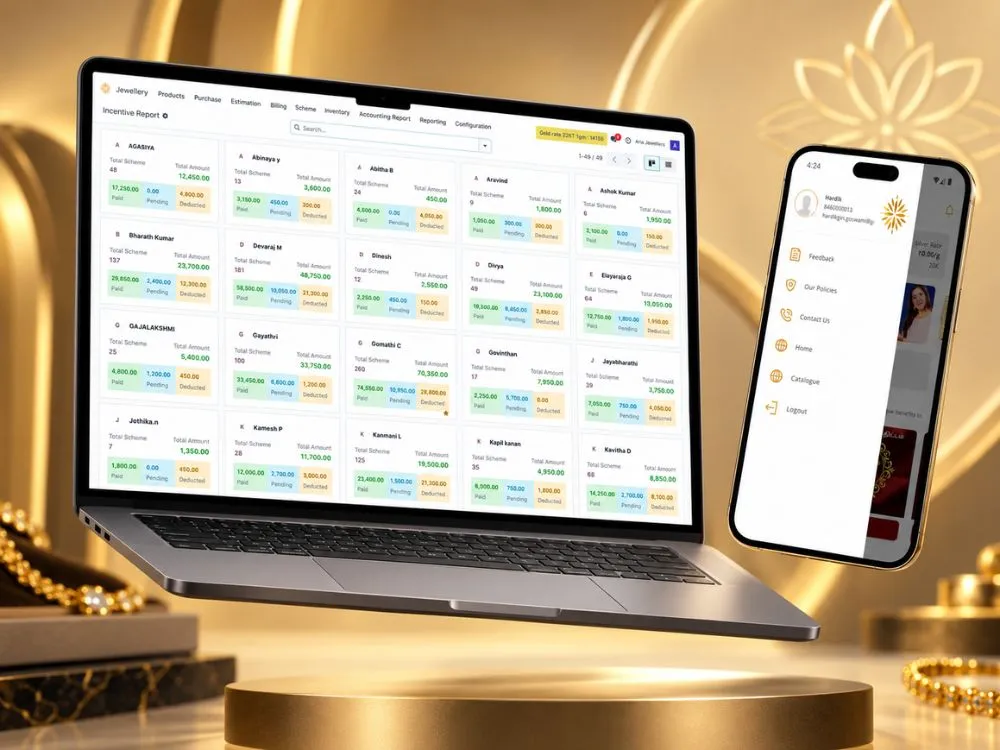
  • Aria Jewellers
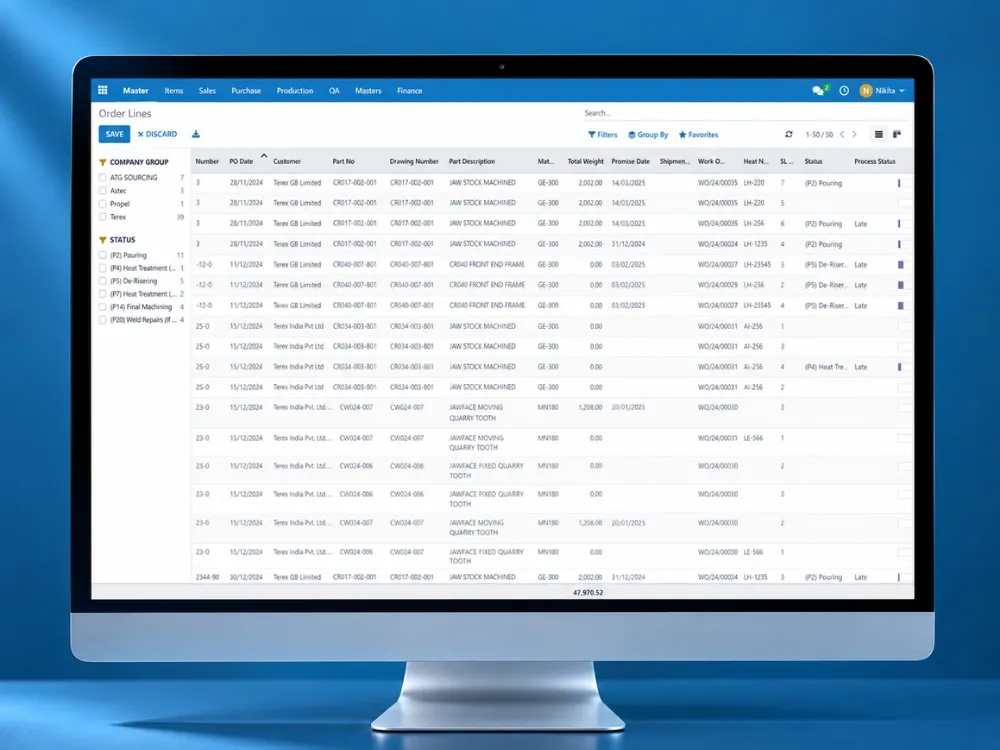
  • Baroda Hi-Tech Alloys
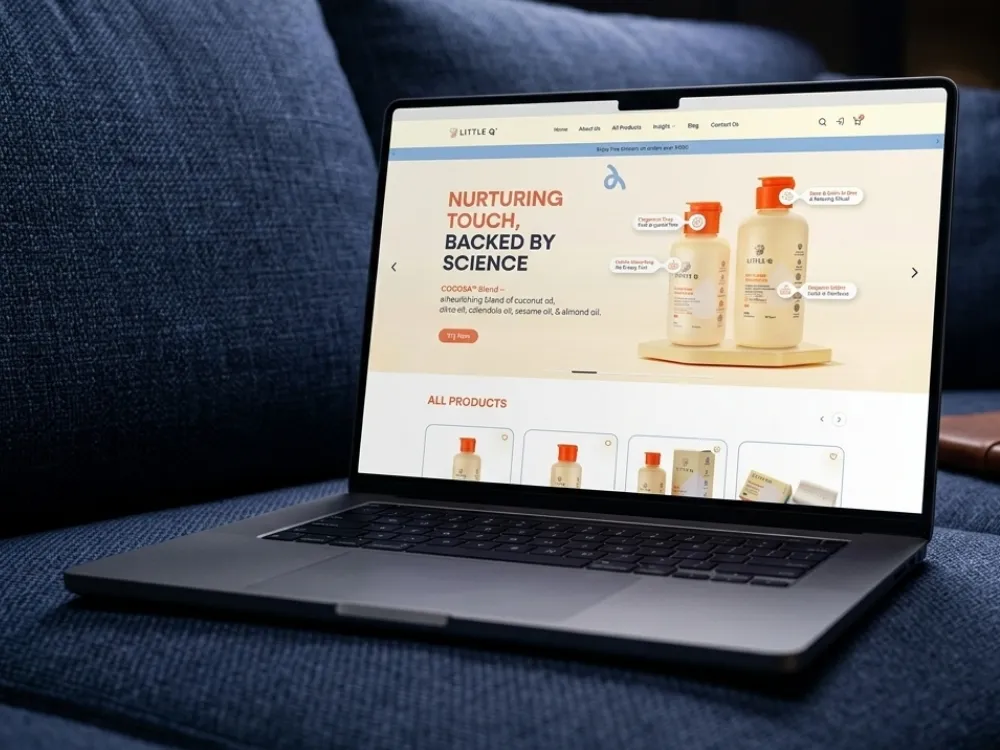
  • LittleQ
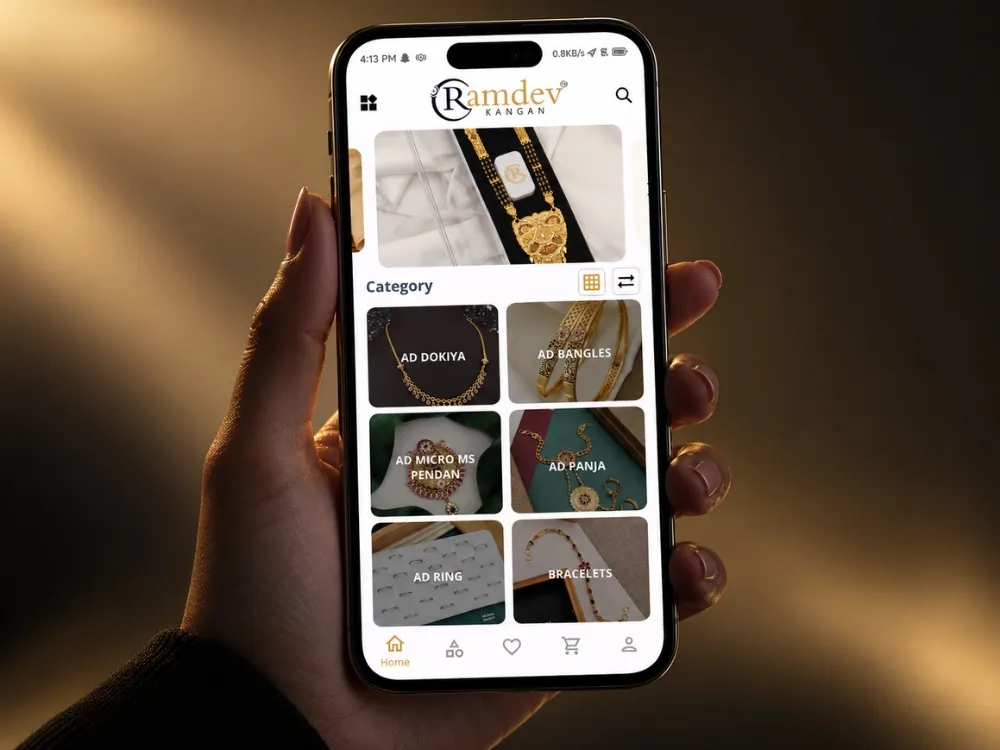
  • Ramdev Kangan
  • Mevalon Produkte
  • TIMmunity GmbH
  • Freiburger Bund

What we build

What We Build on Odoo

Odoo is a Python framework with an ERP on top. These are the things we engineer with it.

  • Custom Odoo modules

    Business logic, workflows and whole applications: a jewellery saving-scheme engine, a foundry heat-to-part traceability system, a four-island payroll.

  • Odoo APIs

    REST endpoints and custom controllers that expose exactly the business models a client or partner needs, with authentication designed in.

  • GraphQL

    GraphQL layers (Graphene) for web and mobile clients that need fast, shaped data: the approach behind our headless commerce and mobile work.

  • Mobile applications on Odoo

    React Native and Flutter apps for customers, suppliers and field staff, talking to Odoo through GraphQL and REST.

  • Business automation

    Scheduled operations, recurring documents, approval chains, notifications and integrations that remove manual steps.

How a feature is built

From Requirement to Deployed Module

  1. Requirement

    Written with the process owner: what the business needs, the edge cases, and how success is checked. Then the configure / OCA / custom ladder. Custom only when the others fail.

  2. Architecture

    Which models, which module boundaries, which existing Odoo mechanisms to extend (inheritance, computed fields, server actions) and what must stay outside Odoo.

  3. Odoo module or API

    Built as a separate addon against the target version, with security rules, tests and a migration script where data changes.

  4. Testing

    Unit tests on business logic, functional tests on the workflow, and review of performance on realistic data volumes.

  5. Integration

    Connected to the surrounding systems (frontend, mobile, payment, external APIs) with logging and retries.

  6. Deployment

    Through version control and CI to staging, then production on Odoo.sh, cloud or on-premise, with a rollback path.

Development standards

Custom Code Without Creating Future Problems

Cheap customization is easy to buy and expensive to keep. These are the standards that separate a module you can upgrade from one you'll have to rewrite.

  • Modular, separate from core

    Every customization is its own addon. Odoo core is never edited, so version upgrades remain a migration of our modules, not a rewrite.

  • OCA conventions

    We contribute to the Odoo Community Association and follow its coding, naming and structure guidelines, so any Odoo developer can read our code.

  • Upgradeability

    Built against the target version with migration scripts where data changes. Upgrade-conscious from the first commit.

  • Reusable components

    Shared modules (direct printing, operating-unit security, S3 storage, notifications) reused across clients instead of rebuilt.

  • Tests, review, version control

    Automated tests on business logic, code review before merge, Git history for every change, CI to staging before production.

  • Documentation

    Module READMEs, API documentation and deployment notes, so the system doesn't depend on the memory of whoever built it.

Headless Odoo

Odoo as the Engine Behind Any Frontend

When the standard Odoo interface is the wrong experience for customers, suppliers or field teams, we keep Odoo as the system of record and build the frontend the product needs.

  • API layer
  • Odoo
  • PostgreSQL + services
Odoo as the Engine Behind Any Frontend
  • Web

    Next.js / React

  • Mobile

    React Native / Flutter

  • Custom apps

    Portals, supplier tools, dashboards

API layer

GraphQL (Graphene) · REST · Webhooks · Odoo session auth

Odoo

Products, orders, customers, inventory, subscriptions: the business logic lives here

PostgreSQL + services

Redis, Meilisearch and S3-compatible storage where the product needs them

Development stack

The Stack, and Why Each Part Is There

Only what we actively use in production.

Python + Odoo ORM
The framework itself. Every module, workflow and API starts here.
PostgreSQL
Odoo's database. We tune queries, indexes and data volumes rather than treating it as a black box.
OWL / QWeb / XML
Odoo's frontend framework and templating for views, reports and backend UI extensions.
REST + GraphQL (Graphene)
How web and mobile clients talk to Odoo without going through its UI.
Next.js + React
Headless web frontends, storefronts and member portals on top of Odoo.
React Native + Flutter
Cross-platform mobile apps for customers and suppliers, backed by Odoo APIs.
Redis, Meilisearch
Caching, real-time presence and sub-second search when Odoo alone isn't fast enough for the use case.
Docker, Git, CI/CD
Reproducible environments, reviewed changes and automated deployment to Odoo.sh, cloud or on-premise.

Evidence

Odoo Systems We Have Engineered

The custom modules, APIs and frontends behind real production businesses.

All case studies

First-party experience

What Production Odoo Code Has Taught Us

  1. 01

    The customization that edits Odoo core to save a day costs a month at the next upgrade. We have migrated other teams' core edits. We don't create them.

  2. 02

    GraphQL earns its place when a mobile app or storefront needs shaped, fast reads. For a simple integration, a REST endpoint is the better tool.

  3. 03

    Realistic data volumes belong in testing. A workflow that is fine on 100 records can be unusable on 100,000 serialized items.

  4. 04

    Reusable modules across clients (direct printing, operating-unit access, storage adapters) are where an engineering-led partner compounds value.

What clients say

In Their Words

Questions

Odoo Development Questions, Answered

Atul Makwana

CEO & Co-Founder, Heliconia Solutions

Not answered here? Ask Atul directly, the person who reviewed this page, not a sales queue. Odoo 16 Functional Certification.

Ask a question

What does an Odoo developer do?

An Odoo developer builds and maintains Odoo modules (models, business logic, views, reports, security rules) and the APIs and integrations around them, in Python on the Odoo framework.

Senior Odoo developers also decide what shouldn't be custom: configuration, an OCA module or an external service are often the better answer.

Can you build custom Odoo modules?

Yes. Custom module development is the core of our development work, from single-feature modules to complete industry systems with dozens of modules, as at Aria Jewellers and Hi-Tech Alloys.

Odoo customization

Can you develop Odoo APIs?

Yes. We build REST endpoints and GraphQL layers on Odoo for web, mobile and third-party clients, with authentication, rate limiting and documentation.

Odoo integration services

Can you integrate Odoo with a mobile app?

Yes. We build the mobile app (React Native or Flutter) and the Odoo API it talks to, as for Aria Jewellers' customer app, Ramdev Kangan's supplier catalog app and Freiburger Bund's member app.

Mobile application development

Can you develop headless Odoo?

Yes. Headless Odoo (Odoo as backend, a custom frontend in Next.js, React or a mobile framework) is one of our signature capabilities, used for LittleQ's storefront and Freiburger Bund's portal.

Headless Odoo

Can you upgrade custom modules to a new Odoo version?

Yes, including modules we didn't write. Custom-module migration is part of every version upgrade we run.

Odoo migration services

Can you work with existing Odoo code?

Yes. We review the existing modules first (separation from core, upgrade risk, tests) then extend, refactor or replace them. Taking over another team's code is a normal starting point.

Do you provide dedicated Odoo developers?

Yes. When the need is ongoing capacity rather than a defined project, developers, consultants or a full team can work inside your process, as they do for ERP Happy.

Hire Odoo developers

Next step

Have an Odoo Feature That Needs Engineering?

Describe the requirement and the version you're on. We'll tell you whether it needs custom code at all, and if it does, how we would build it so it lasts.