Custom software

When Off-the-Shelf Software Isn't Enough

Custom software is the right call less often than agencies claim. When it is (a workflow no product covers, a system that is the business) we engineer it to be maintained for years, not demoed for a quarter. When it isn't, we say so, and often point you at Odoo.

  • Build vs buy
  • Architecture first
  • Maintainable code
  • Odoo when it fits

Reviewed by Atul Makwana, CEO & Co-Founder, Heliconia Solutions · Odoo 16 Functional Certification · Odoo Partner · Updated

Proof

Building since 2017Custom systems in productionOdoo partner: we know the alternativeMulti-year engagementsWeb · mobile · API · automation

Clients

Businesses that run on what we built

  • Baroda Hi-Tech Alloys
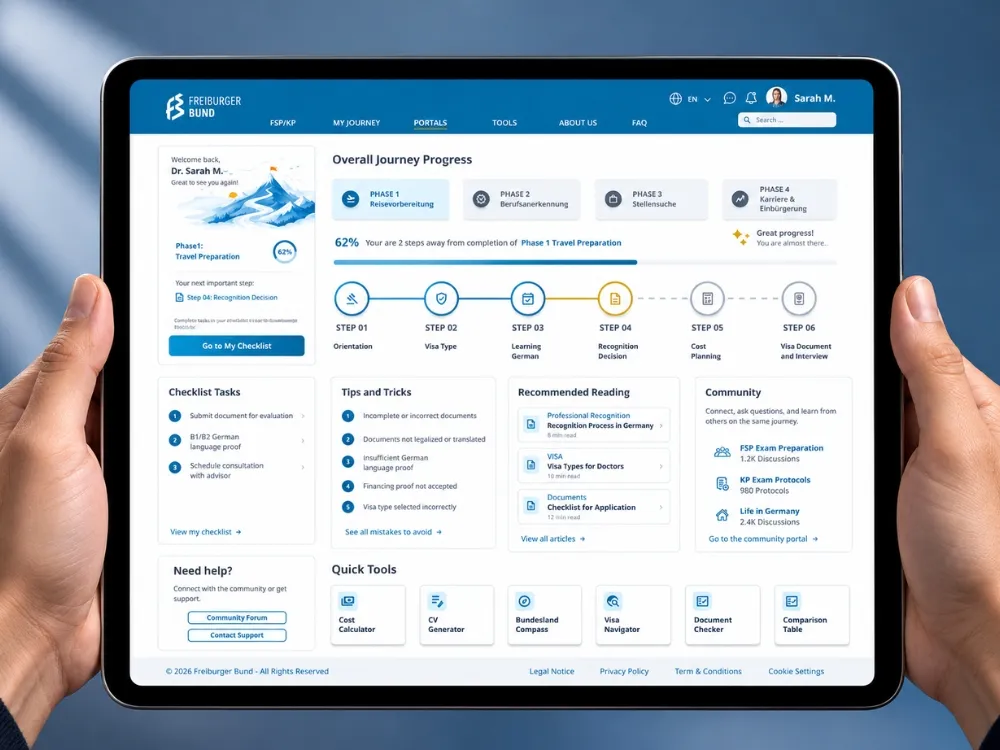
  • Freiburger Bund
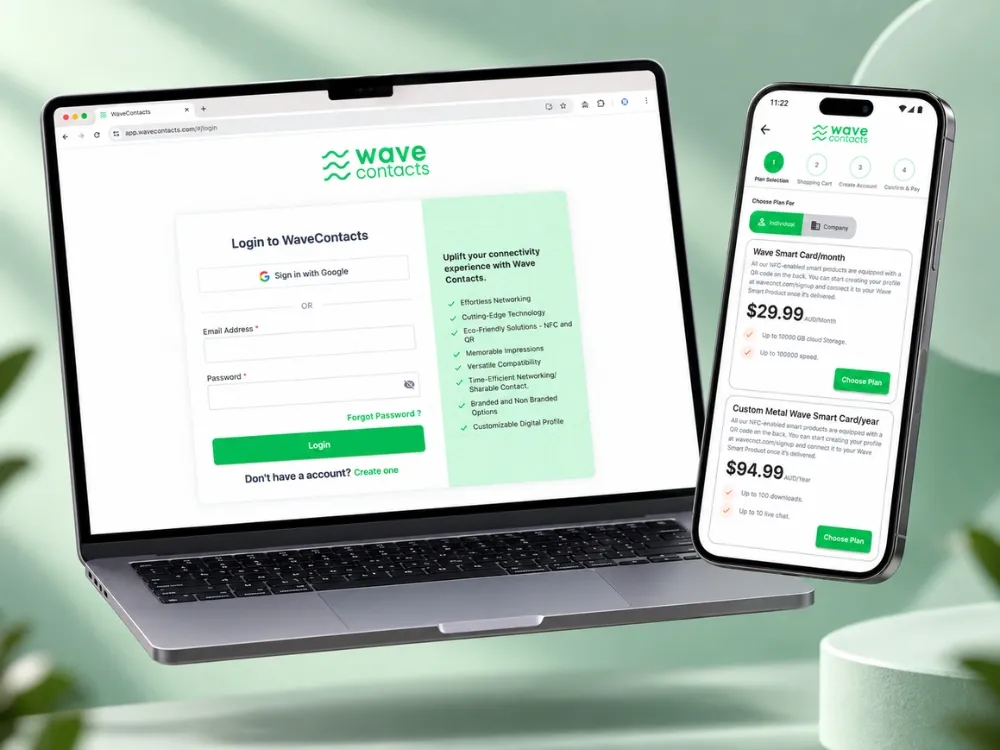
  • WaveContact
  • Avasar Agency
  • Ladder Logix
  • Aria Jewellers
  • Jo Ann's

Why an Odoo partner builds custom software

The Same Discipline, Applied Beyond Odoo

Odoo is our deepest specialization. The same engineering discipline (architecture first, maintainable code, real production evidence) extends to the systems that sit around Odoo: storefronts, mobile apps, integrations and custom software. Often for the same clients.

That gives us an unusual vantage point on the build-vs-buy question. We implement a configurable platform every week, so we know exactly what "just configure it" can and can't cover, and we build custom systems around it, so we know what custom really costs to keep alive.

What we build

Custom Engineering Services

Each is its own page with scope, stack, process and evidence.

Build vs buy

Before You Build: Four Questions

Custom software earns its cost when the answers point the same way. Otherwise a platform, often Odoo, is the better decision.

  1. Step 01

    Is the workflow genuinely unique?

    If your process is how you compete (jewellery metal rates, foundry traceability, a member community) a product will never fit it. If it's sales, purchasing and accounting, it isn't unique. Configure a platform.

  2. Step 02

    Have you exhausted configurable platforms?

    Odoo, with configuration, OCA modules and custom modules, covers more than most teams expect. We implement it. We'll tell you if it fits before selling you a build.

  3. Step 03

    What must it integrate with?

    A custom system that must talk to an ERP, payments and logistics needs an integration layer either way. Sometimes the platform that already has those connectors wins.

  4. Step 04

    Can you fund the maintenance?

    A custom system costs a fraction of its build cost every year to keep secure, upgraded and evolving. If that budget doesn't exist, don't build.

Comparison

Custom Build vs Configurable Platform vs Off-the-Shelf

Custom Build vs Configurable Platform vs Off-the-Shelf
Custom buildConfigurable platform (e.g. Odoo)Off-the-shelf SaaS
Fit to unique workflowsExactHigh: with custom modulesLow to medium
Time to first releaseLongestWeeks to monthsDays
Upfront costHighestMediumLowest
Ongoing costMaintenance you fundSubscription (Enterprise) or partner support + upgradesSubscription
Ownership and controlTotalHigh (open source core)None
IntegrationBuilt to specExisting connectors + APIsWhatever the vendor offers
Best forSystems that are the businessOperations: sales, stock, finance, HR, plus custom logicCommodity functions

Most businesses need a mix: a platform for operations, custom software for the one thing that makes them different, and integrations between the two.

How we keep it maintainable

Custom Software You Can Still Change in Five Years

The rules we apply to Odoo modules (upgrade-conscious, tested, documented) apply to everything we build.

  • Architecture before code

    Boundaries, data model, integration points and hosting decided and written down before the first sprint.

  • Boring, proven stack

    TypeScript, Next.js, Node.js, Python, PostgreSQL, React Native, Flutter: technologies with a decade of runway, not this year's framework.

  • Tests and review

    Automated tests on business logic, code review on every change, CI to staging before production.

  • Documentation that survives us

    Architecture notes, API docs and runbooks in your repository. The system doesn't depend on our memory.

  • Your code, your infrastructure

    Everything lives in your repositories and accounts. No lock-in to Heliconia.

  • A team that stays

    Custom systems need engineers who know them. Our engagements run for years, and the same people evolve what they built.

By the numbers

What the Track Record Looks Like

Years in business
9+
Projects delivered
60+
Countries served
17+
Users on software we ship
6.7M

Evidence

Custom Systems That Earned Their Build

Each of these had a workflow no product covered, and two of them still run on Odoo underneath, which is the point.

All case studies

What clients say

In Their Words

Questions

Custom Software, Answered

Atul Makwana

CEO & Co-Founder, Heliconia Solutions

Not answered here? Ask Atul directly, the person who reviewed this page, not a sales queue. Odoo 16 Functional Certification.

Ask a question

How do we know if we need custom software or a configurable platform like Odoo?

Run the four questions above. If your operations are sales, purchasing, stock, finance and HR with some unique logic, Odoo plus custom modules is almost always cheaper and faster. Custom software is for the system that is your product or your competitive process.

Odoo services

What does a custom build cost compared to licensing something existing?

More upfront and more per year: you're funding development and maintenance instead of a subscription. It's worth it when the software is central to how you make money. It isn't when an existing product does 90% of the job.

How does Heliconia keep a custom system maintainable long-term?

Architecture written down first, a proven stack, tests, code review, CI, documentation in your repository, and a team that stays on the system: the same standards we apply to upgrade-safe Odoo modules.

Custom application development

What happens to the code if we stop working with you?

Nothing changes: the code, the architecture notes, the API docs and the runbooks already live in your repositories and accounts, so another team can pick the system up. No lock-in to Heliconia is part of how we set an engagement up, not a favour at the end.

Can custom software connect to our existing ERP or CRM?

Yes. Integration is designed in from the architecture stage. Connecting custom systems to Odoo and other platforms is a large part of our work.

API & integrations

Can you take over a custom system another team built?

Yes, after a technical assessment: code, infrastructure, tests, dependencies and risks. Then we stabilize, then improve.

Next step

Not Sure Whether to Build?

Describe the problem, not the solution. We'll tell you whether it needs custom software, a platform, or an integration, and what each would cost to run.