Architecture

Headless Commerce for Speed, Flexibility, and Control

Headless commerce separates a custom web or mobile storefront from its commerce backend through APIs. It can deliver faster pages, unrestricted design and multiple channels on one data source, but it creates a second codebase and API contract to own. We use it when those benefits justify the added engineering.

  • Next.js
  • React
  • GraphQL
  • Storefront API
  • Odoo
  • Shopify
  • WooCommerce

Reviewed by Atul Makwana, CEO & Co-Founder, Heliconia Solutions · Odoo 16 Functional Certification · Odoo Partner · Updated

Proof

Headless stores in productionBackend-agnostic frontend disciplineStorefront + mobile on one APICore Web Vitals engineeredOdoo · Shopify · WooCommerce · custom

Clients

Businesses that run on what we built

  • LittleQ
  • Ramdev Kangan
  • Ladder Logix
  • Mevalon Produkte
  • Aria Jewellers
  • Freiburger Bund
  • Jo Ann's

Definition

What Is Headless Commerce?

Headless commerce separates the storefront (what customers see and use) from the commerce backend (catalog, cart, checkout, orders, inventory). The storefront is a standalone web or mobile application built with tools like Next.js or React Native. It talks to the backend (Shopify, WooCommerce, Odoo or a custom service) through APIs instead of using the platform's built-in theme layer.

The gains are concrete: page speed you control end to end, a design not constrained by the platform's theme system, and one backend serving web, mobile and any other channel. The cost is equally concrete: a second application to build, host and maintain, and an API contract between the two.

This page explains the pattern and helps you choose a backend. The deep dives live on their own pages: Headless Odoo, Headless Shopify and Headless WooCommerce.


Architecture

How a Headless Store Is Shaped

The backend changes. The storefront discipline doesn't.

  • Commerce API
  • Commerce backend
  • Services
How a Headless Store Is Shaped
  • Web storefront

    Next.js / React: server rendering, edge caching

  • Mobile app

    React Native / Flutter: same API

  • Content

    Headless CMS (PayloadCMS) for pages and campaigns

Commerce API

Shopify Storefront API · WooCommerce REST/GraphQL · GraphQL on Odoo · custom

Commerce backend

Catalog, cart, checkout, orders, customers, inventory. Shopify, WooCommerce, Odoo or custom

Services

Payments · shipping · search (Meilisearch) · cache (Redis) · media (R2/S3)

Platform fit

Which Backend Behind a Headless Storefront?

Four options, three questions. Each has its own page for the detail.

Which Backend Behind a Headless Storefront?
OdooShopifyWooCommerceCustom
Content team sizeSmall to medium, content in a CMS alongsideAny, marketing-friendly adminLarge content teams at home in WordPressNeeds its own admin built
Catalog complexityHigh: variants, lots, pricelists, B2BMediumMediumAny
Existing backend investmentAlready running the business on OdooAlready on Shopify or want managed commerceAlready on WordPress/WooCommerceCommerce is the product
Checkout controlFullLimited: Shopify checkout staysFullFull
Deep diveHeadless OdooHeadless ShopifyHeadless WooCommerceCustom application development

If your operations (stock, pricing, orders) already live in an ERP, put the storefront on it. If they don't, choose the platform your team can run.

Deep dives

Headless, Per Backend

When not to

When a Standard Store Is the Better Answer

Most stores shouldn't go headless. These are the signs.

  • The theme does the job

    A well-built Shopify theme or Odoo eCommerce store already converts. Speed can be tuned without an architecture change.

  • No mobile app, one channel

    The shared-API benefit disappears when there's only one storefront.

  • Nobody will own the frontend

    A headless storefront is an application. If there's no team or budget to evolve it after launch, don't build it.

  • Speed to launch matters most

    A platform store launches in weeks. Headless adds a frontend build first.

  • Small, simple catalog

    The performance and flexibility gains don't pay back on a store that doesn't need them.

  • Budget belongs elsewhere

    Fixing stock accuracy, fulfilment or pricing in the backend often lifts conversion more than a new storefront.

Evidence

Headless Commerce We Have Shipped

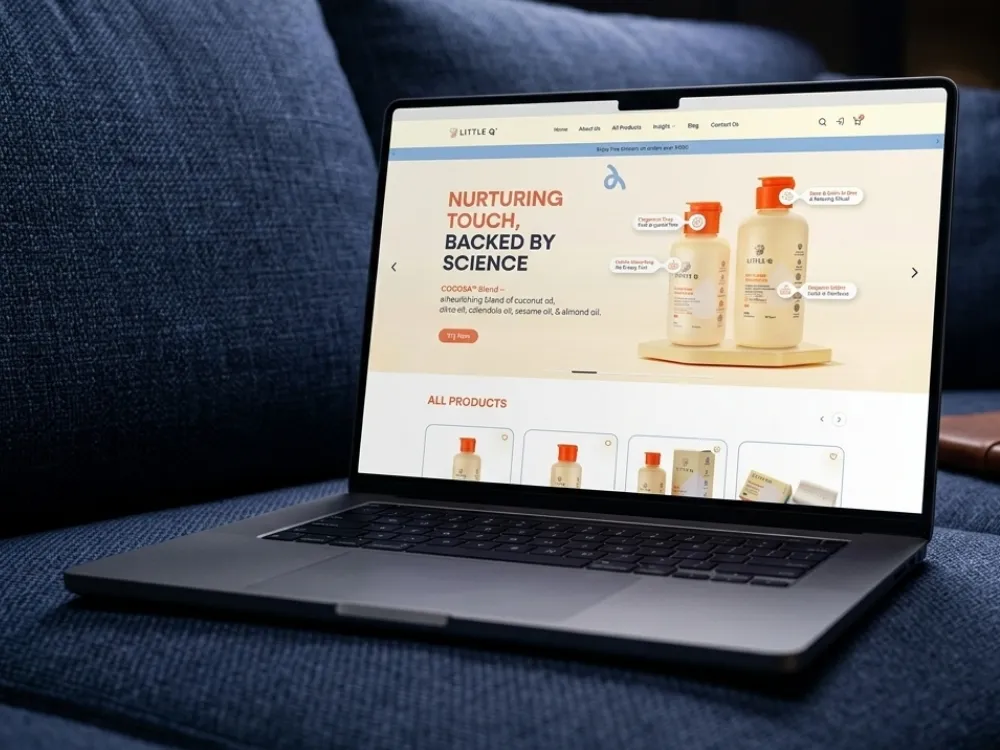
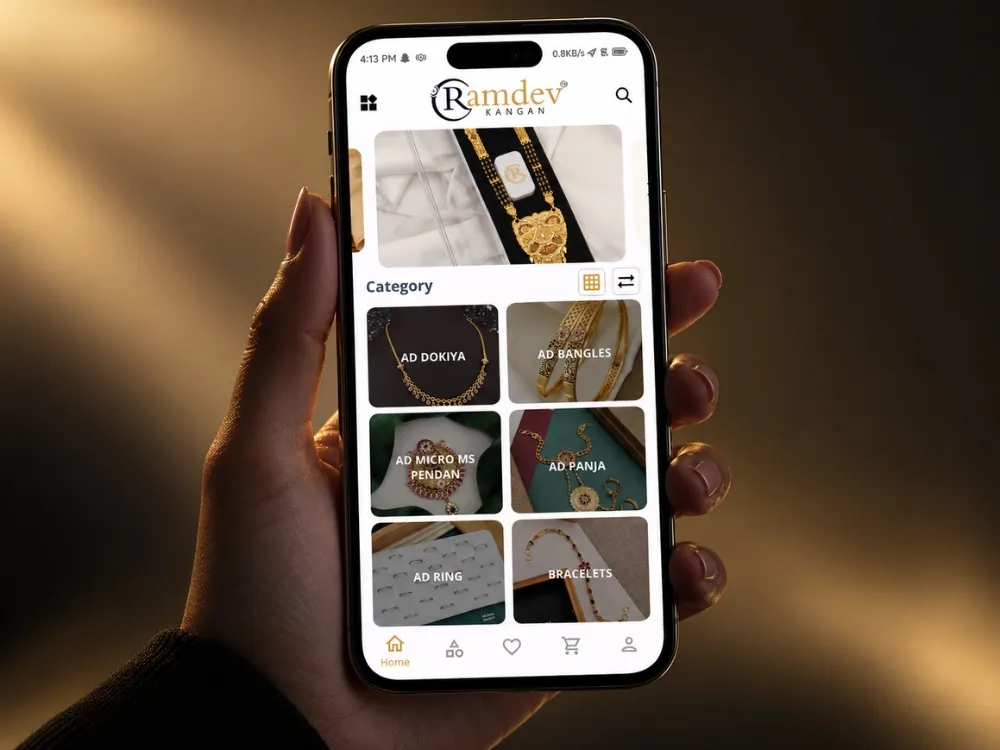
A Next.js storefront and a Flutter catalog app, both on Odoo backends over GraphQL. The storefront discipline transfers to Shopify and WooCommerce. The deep dives explain how.

All case studies

What clients say

In Their Words

Questions

Headless Commerce, Answered

Atul Makwana

CEO & Co-Founder, Heliconia Solutions

Not answered here? Ask Atul directly, the person who reviewed this page, not a sales queue. Odoo 16 Functional Certification.

Ask a question

What's the actual performance gain over a monolithic store?

With server/edge rendering, caching and an image pipeline under your control, headless storefronts typically reach Largest Contentful Paint well under 2.5 seconds on mobile where theme-based stores often sit at 3-5 seconds. The gain depends entirely on execution: a badly built headless storefront is slower than a good theme. We set Core Web Vitals budgets and measure against them.

Does headless commerce cost more to build and maintain?

Yes. You're building and hosting a second application and maintaining an API contract. It pays back when the storefront experience drives revenue, a mobile app is required, or several channels share one backend, and not otherwise.

Can an existing Shopify or WooCommerce store go headless without a full rebuild?

The backend stays: products, orders, customers and (on Shopify) checkout are untouched. The storefront is rebuilt: that is what headless means. Content, URLs and SEO are migrated with redirects, and the switch can be done market by market.

Headless Shopify

Can Odoo be the backend of a headless store?

Yes, and for businesses that run operations on Odoo it's usually the best backend: stock, pricing, B2B rules and orders are already there, so there's nothing to synchronise.

Headless Odoo

Which frontend framework do you use for storefronts?

Next.js with React and TypeScript for web. React Native or Flutter for mobile. PayloadCMS for content. The same stack across every backend.

Do we keep our SEO when going headless?

Yes, if it's planned: URL mapping and redirects, server-rendered pages, structured data and sitemaps are part of the build, not an afterthought.

Next step

Is Headless Right for Your Store?

Tell us your platform, catalog and channels. We'll tell you whether headless pays back, and which backend to put behind it.